Klara and the Sun Review: An Unexpectedly Heartfelt Surprise
A theater mix-up led me to Klara and the Sun, a heartfelt surprise with strong performances, an admirable heroine, and some awkward tonal shifts.
This review discusses major plot points. If you haven't seen it yet, the verdict at the bottom is safe.
I went to the theater to see Breeder. Instead, thanks to a scheduling mistake, I found myself sitting in a showing of Klara and the Sun. I probably never would have chosen it on my own, but I was already there to see a movie, so I figured, why not?
I’m glad I stayed. What I expected to be a disappointing mix-up turned into a surprisingly enjoyable and heartfelt night at the movies. I enjoyed it enough that it inspired me to try an AMC Screen Unseen showing next, just to experience the fun of walking into a film without knowing what I was about to get.
A surprisingly human story
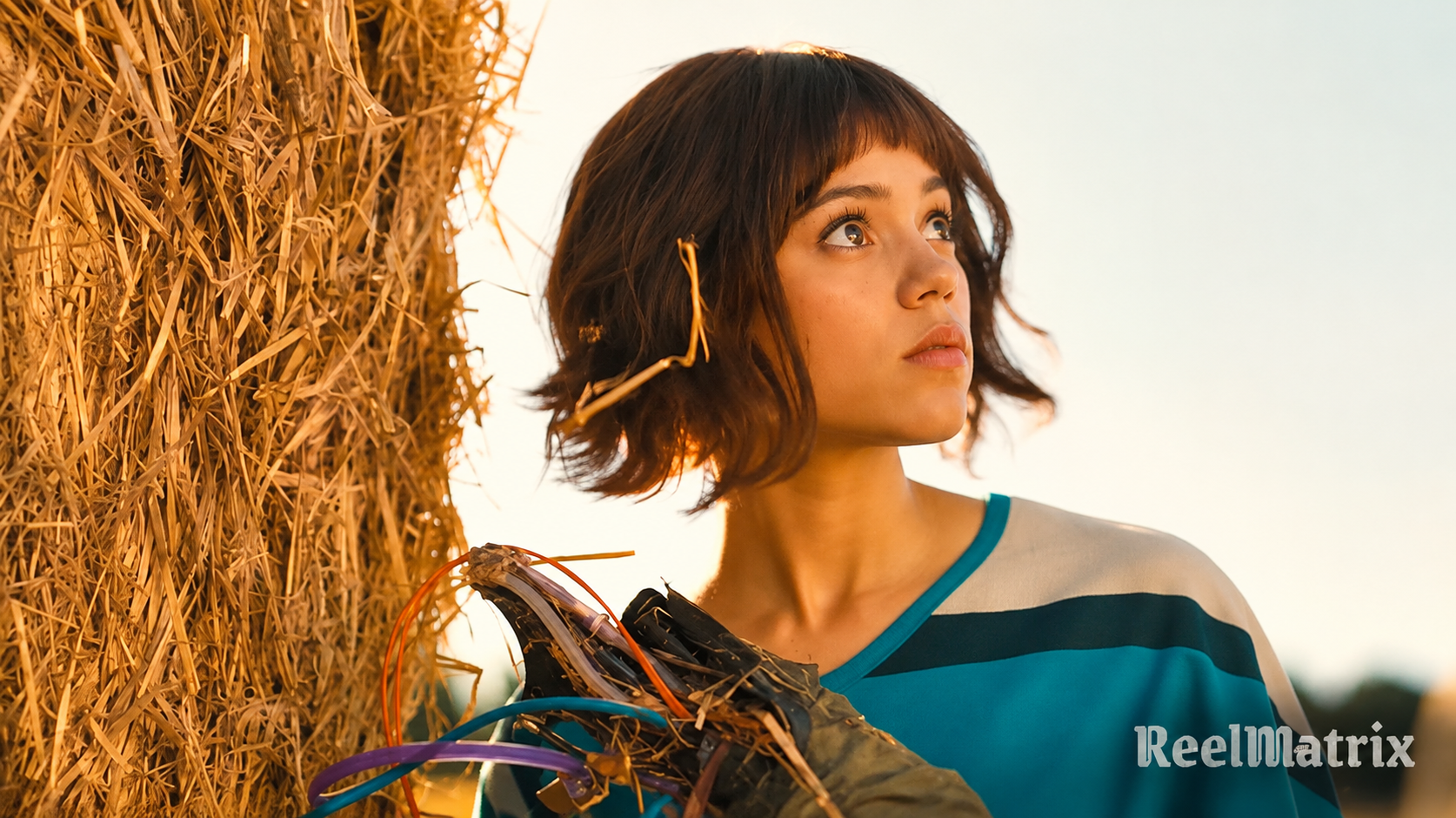
Klara and the Sun follows an Artificial Friend named Klara (Jenna Ortega), a robot companion who enters the life of a sick teenage girl, Josie, and her mother (Amy Adams). It’s a science-fiction story, but what connected with me had much less to do with the technology than with Klara herself.
Ortega is fantastic at conveying Klara’s playful ignorance, innocence, and hopefulness. She watches the world with such curiosity, even as she gradually encounters things she doesn’t understand and people who don’t always welcome her. Adams is equally strong, bringing a very different kind of emotional weight to the story.
What I found most admirable was Klara’s unwavering faith and loyalty. Even when the people around her reject her or question her place in their lives, she doesn’t lose her desire to help. Her friendship and willingness to sacrifice for someone she loves give the movie its heart. It’s an earnest message, and one that worked on me.
A world that doesn’t quite add up
Where the film struggled for me was its setting. I’ve heard the source novel is considerably more serious and that its future is meant to be dystopian, but I haven’t read the book, so I can’t speak to how faithful the adaptation is. Judged only as a movie, though, that world never felt especially convincing.
We’re told the internet is gone, which honestly doesn’t sound like the worst future imaginable. There are enormous machines pumping out seemingly endless smog and waste, but much of the world otherwise looks bright, clean, and relatively ordinary. There are hints of deeper social divisions and questions about artificial life, yet I never felt that the film explored them as thoroughly as it could have.
The treatment of robots is a good example. I’d seen discussion about how the story handles artificial beings, but in the movie most people seem to treat them reasonably well. Klara faces resentment from certain people in the household, especially at first, yet there isn’t much of a broader examination of what it means for these companions to exist in this society.
That isn’t necessarily a fatal flaw. Maybe this version of the story simply wanted to be more intimate and accessible. I just think a little more depth could have made an already good film much more immersive.
When the humor gets in the way
Then there’s Taika Waititi’s humor. Some of it works, and some of it feels as though it wandered in from a completely different movie.
One scene, in which a group of enhanced college students visits Josie’s home, is particularly strange. They’re so pretentious and obnoxious, and the whole exchange is so surreal, that it almost feels like a sketch from a satirical comedy. I found myself wondering what kind of film I was supposed to be watching.
Still, I’ll give Waititi credit for something important: unlike Thor: Love and Thunder, he lets the heartfelt moments breathe. He doesn’t constantly interrupt sadness or sincerity with a joke. When this movie wants something to hurt, it usually allows it to hurt.
The darker side of Klara’s innocence
I originally went out to see a horror film, and it was interesting that Klara and the Sun ended up having moments that almost felt like horror anyway. Not because it’s particularly frightening, but because of the tragedy beneath its bright surface. Much of that darkness comes from watching Klara lose her innocence as she begins to understand fear, death, and the terrible things people do when faced with grief.
Spoilers: the story's most disturbing and heartbreaking moments
Klara’s fear of the machines that fill the air with smog is one of the ways we see that innocence begin to crack. The death of the scarecrow robot is genuinely sad, too. The film gives us enough reason to care about something artificial that its loss still hurts.
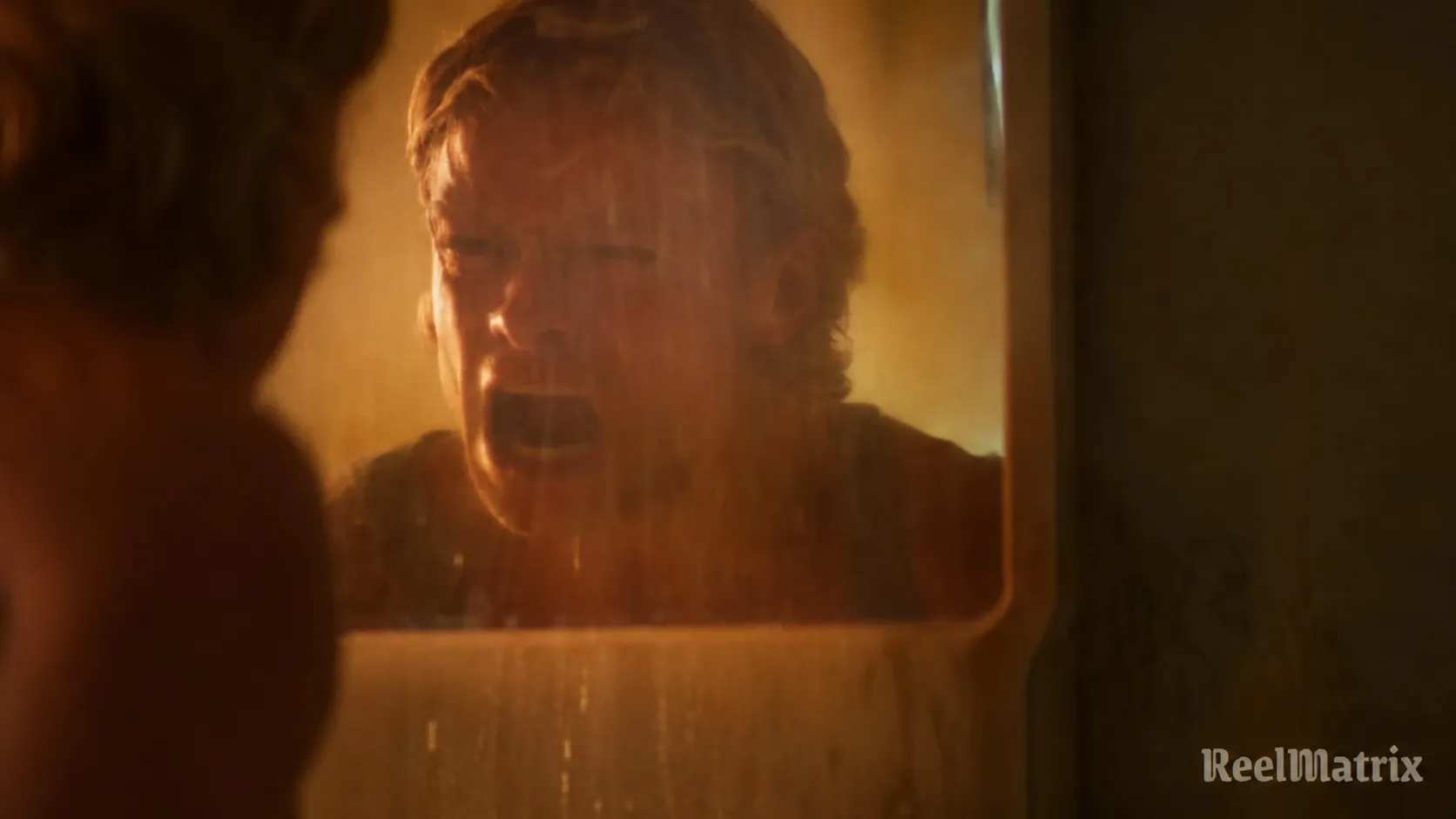
But the most disturbing revelation for me was the mother’s plan to replace her daughter with a robotic version of her. It’s unsettling enough to imagine trying to replace someone you love after they’ve died. Knowing that she’s already preparing to do it while her daughter is still alive turns grief into something close to psychological horror. It raises an uncomfortable question about whether she’s trying to preserve her daughter or preserve what her daughter means to her.
These moments hint at the much deeper movie that might have existed beneath the lighter tone. They’re also the moments that stayed with me.
Should you see it?
Yes. Klara and the Sun is a good movie with a good message, excellent performances, and a genuinely heartwarming story. I think its world could have been better developed, and its occasional awkward humor pulled me out of the experience, but those flaws didn’t erase what worked.
More than anything, the experience reminded me how easy it is to get locked into our preferred genres or first impressions and miss films that might genuinely move us. I came for Breeder and left unexpectedly grateful for Klara and the Sun.
It also reinforced something I want to keep in mind with ReelMatrix. We spend a lot of time tracking movies from a financial perspective, but a film’s box office tells us very little about what it might mean to the people who actually see it. A movie can struggle financially and still provide something worthwhile, even memorable, to an audience.
7/10. A solid, heartfelt surprise that could have gone deeper, but one I’m happy the theater accidentally put in front of me.
The verdict
7/10
A surprisingly heartfelt story elevated by Jenna Ortega and Amy Adams. Uneven humor and a thinly explored world hold it back, but it's worth seeing.